 blog
Best Roofline Materials for Homes: A 2026 Guide
Table of Contents
- What Makes Roofline Materials Matter for Your Home
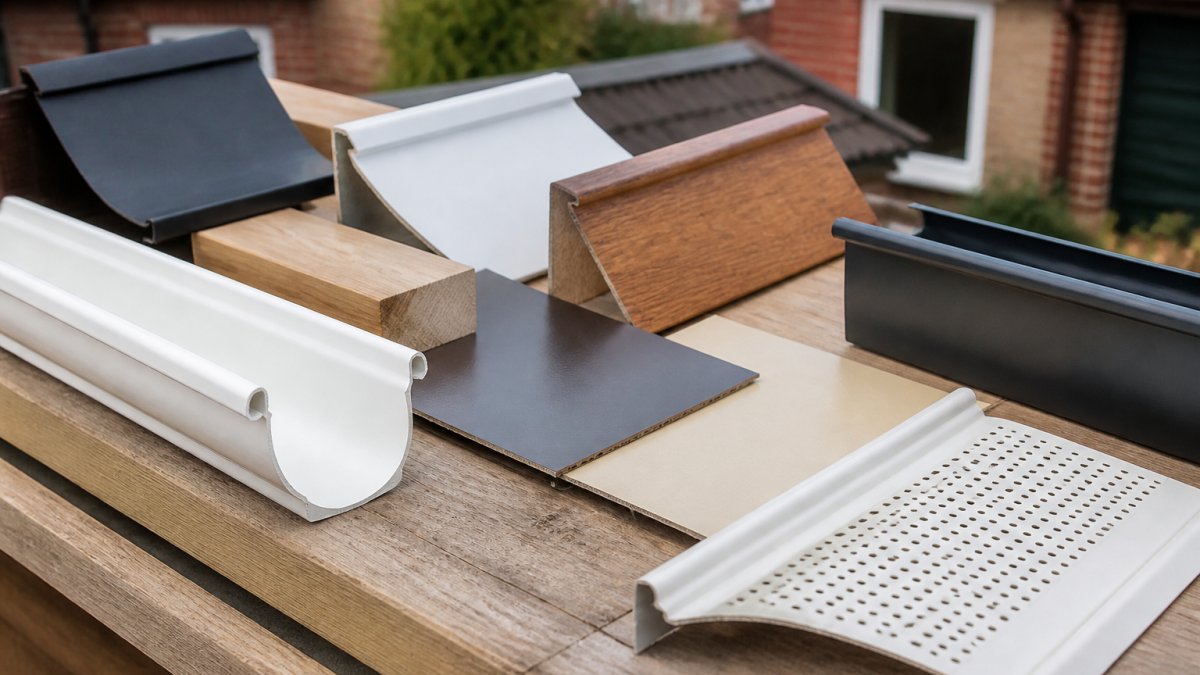
- Best Material for Fascias and Soffits: Comparing Your Options
- uPVC vs Timber Fascias: Which Suits Your Home
- How Long Do uPVC Fascias Last and What Affects Lifespan
- Fascia and Soffit Replacement Cost: What to Budget
- Durability and Maintenance: Long-Term Performance of Roofline Materials
- Making Your Choice: Selecting the Right Roofline Materials
- Frequently Asked Questions
Last Updated: October 16, 2026
What Makes Roofline Materials Matter for Your Home
Your roofline is more than aesthetic detail, it's a critical defence system protecting everything beneath it. The fascia, soffit, and guttering work together to channel water away from your property, prevent moisture damage, and maintain structural integrity. Choosing the right roofline materials affects not just how your home looks, but how well it performs over decades.
The material you select determines maintenance demands, replacement frequency, and long-term cost. Some materials demand attention every few years; others run for 30 years with minimal intervention. Understanding these differences before you commit means avoiding costly mistakes later.
The four main roofline materials, uPVC, timber, aluminium, and composite, each solve different problems. None is universally "best." The right choice depends on your budget, maintenance tolerance, climate exposure, and how long you plan to stay in your home.
Best Material for Fascias and Soffits: Comparing Your Options
Fascias and soffits are the visible trim running along your roofline. The fascia boards sit vertically at the roof edge, while soffits run horizontally underneath, covering the gap between the fascia and your wall. Both shield the rafter ends and roof structure from weather and pests.
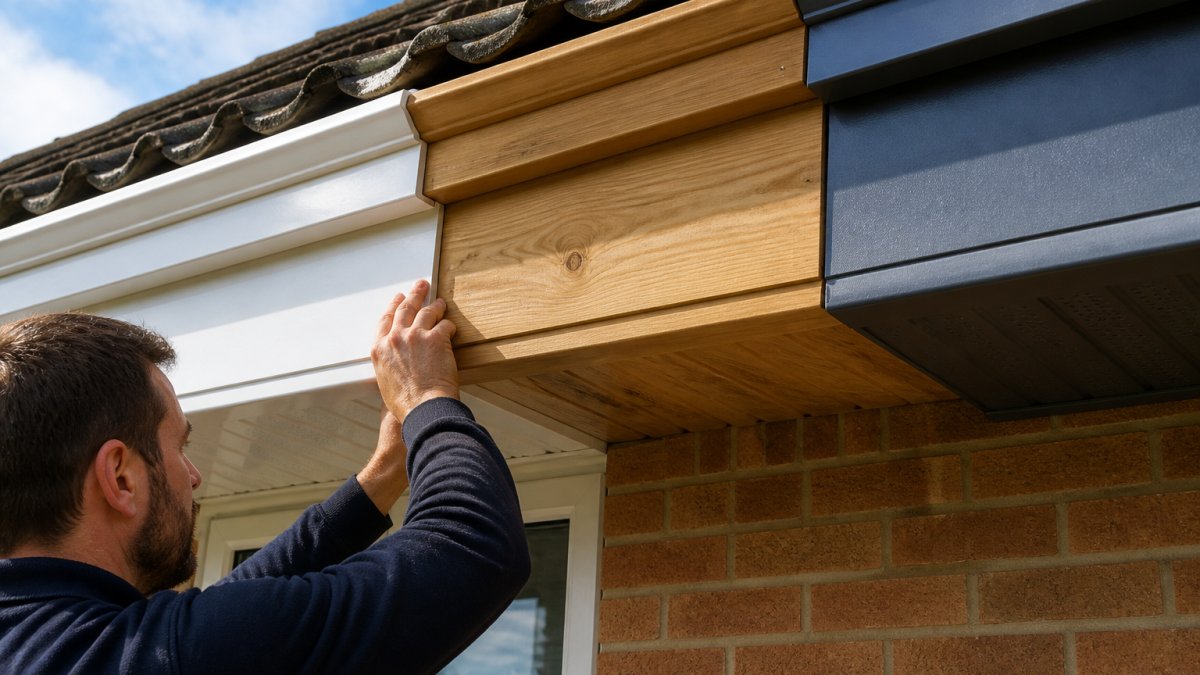
The material choice here cascades into maintenance schedules, replacement budgets, and aesthetic options for the next 20-40 years. Let's examine each option honestly.
uPVC Fascias and Soffits
uPVC (unplasticised polyvinyl chloride) dominates the market for good reason. It resists rot, doesn't need painting, and handles British weather without complaint. Most new installations across Norfolk and Suffolk use uPVC.
The appeal is straightforward: install it and forget it. No annual maintenance, no repainting, no wood rot inspections. uPVC won't splinter, warp, or attract insects. It cleans with a hose and mild detergent. For busy homeowners or those on tight budgets, this low-friction approach is genuinely valuable.
The trade-off is aesthetic and environmental. uPVC looks plastic, which matters if your home has period character or you're aiming for a traditional finish. It also expands and contracts with temperature, occasionally creating small gaps at joints. In extreme cold, uPVC becomes brittle. And it's not recyclable at end of life, most ends up in landfill.
Pros:
- Zero maintenance required
- Won't rot, warp, or attract insects
- Affordable initial cost
- 25-30 year lifespan typical
- Cleans easily with water and detergent
Cons:
- Plastic appearance doesn't suit period homes
- Expands/contracts, creating minor gaps
- Becomes brittle in severe cold
- Not recyclable
- Can discolour over 15+ years in intense sunlight
Timber Fascias and Soffits
Timber offers warmth and character that uPVC cannot match. It's the traditional choice, and for homes built before 1980, it's often the most authentic option. Quality timber fascias can last 20-25 years with proper maintenance.
The catch is that word: maintenance. Timber requires painting or staining every 3-5 years. It rots if water penetrates, attracting woodworm and other pests. You'll need annual inspections for damage, particularly after storms or heavy rain. This isn't a set-and-forget material.
For period properties or conservation areas, timber may be the only acceptable choice. If you're willing to maintain it, the aesthetic payoff is real. If you're not, timber becomes an expensive liability.
Pros:
- Authentic appearance for traditional homes
- Can be repaired locally rather than replaced
- Accepts stain and paint for colour flexibility
- Natural material with lower environmental impact than uPVC
- 20-25 year lifespan with proper care
Cons:
- Requires painting/staining every 3-5 years
- Vulnerable to rot and woodworm
- Needs annual inspection and maintenance
- Higher long-term labour costs
- Repair costs escalate if damage spreads
Aluminium Fascias and Soffits
Aluminium sits between uPVC and timber in both cost and maintenance. It's lightweight, durable, and won't rot. It's also fully recyclable, appealing to environmentally conscious homeowners.
Aluminium resists corrosion better than you'd expect, though coastal properties face slightly higher risk. It doesn't expand and contract like uPVC, so joints remain tight. It accepts paint well, allowing colour customisation without the maintenance burden of timber.
The downside is cost, aluminium typically runs 20-40% more than uPVC. It's also less common, meaning fewer installers stock it and fewer suppliers carry replacement sections. If you need repairs in 10 years, finding matching material can be difficult.
Pros:
- Fully recyclable and environmentally friendly
- Won't rot or warp
- Minimal expansion/contraction
- Accepts paint for colour options
- 30-35 year lifespan
- Lightweight and easy to install
Cons:
- 20-40% more expensive than uPVC
- Less common, fewer installers familiar with it
- Harder to source replacement sections
- Can corrode in coastal areas without proper coating
- Requires occasional repainting for colour refresh
Composite Fascias and Soffits
Composite materials blend wood fibres with plastic resin, attempting to capture timber's aesthetics with uPVC's durability. They resist rot, don't need painting, and look more authentic than plastic.
In theory, this sounds ideal. In practice, composite fascias remain relatively new, and long-term performance data is limited. Early adopters report that composites can stain, discolour, or develop surface cracks after 10-15 years. They're also the most expensive option, often costing 50-80% more than uPVC.
Composite makes sense if you want timber appearance without timber maintenance, and you're willing to pay a premium for that compromise. It's not yet proven as a 30-year solution.
Pros:
- Timber-like appearance without rot risk
- No painting required
- Won't warp or attract insects
- Environmentally better than pure uPVC
- 25-30 year lifespan expected
Cons:
- Most expensive option (50-80% premium over uPVC)
- Limited long-term performance data
- Can stain or discolour over time
- May develop surface cracks
- Fewer installers experienced with composite
uPVC vs Timber Fascias: Which Suits Your Home
This is the decision most homeowners face. Timber offers character; uPVC offers convenience. The right choice depends on three factors: property age, maintenance commitment, and budget.
Choose timber if:
- Your home is pre-1980 and period-appropriate materials matter
- You're in a conservation area with material restrictions
- You enjoy maintenance tasks or can afford regular professional upkeep
- Aesthetic authenticity justifies ongoing costs
- You plan to stay in the property long-term
Choose uPVC if:
- You want minimal maintenance over 25-30 years
- Budget is your primary constraint
- Your property is modern or semi-detached
- You're unlikely to manage annual inspections
- You plan to move within 10-15 years
Most modern properties in Norfolk and Suffolk use uPVC simply because the maths favours it. Over 30 years, a timber fascia costs roughly 2-3 times more when you factor in repainting, repairs, and eventual replacement. For busy homeowners or those in rental properties, uPVC wins decisively.
Timber wins only when aesthetics or planning rules demand it, and you're genuinely committed to the maintenance cycle.
How Long Do uPVC Fascias Last and What Affects Lifespan
A properly installed uPVC fascia typically lasts 25-30 years. Some systems reach 35 years with minimal degradation. The actual lifespan depends on installation quality, climate exposure, and maintenance.
Factors that extend lifespan:
- Professional installation with proper ventilation gaps
- Quality uPVC (thicker gauge, UV-stabilised)
- Adequate guttering to prevent water pooling
- Annual rinsing to remove salt spray or pollution
- Avoiding direct heat sources (chimney proximity)
Factors that shorten lifespan:
- Poor installation with inadequate expansion allowance
- Coastal exposure (salt spray accelerates degradation)
- Intense, unshaded sun exposure (causes UV discolouration)
- Heavy debris accumulation in gutters
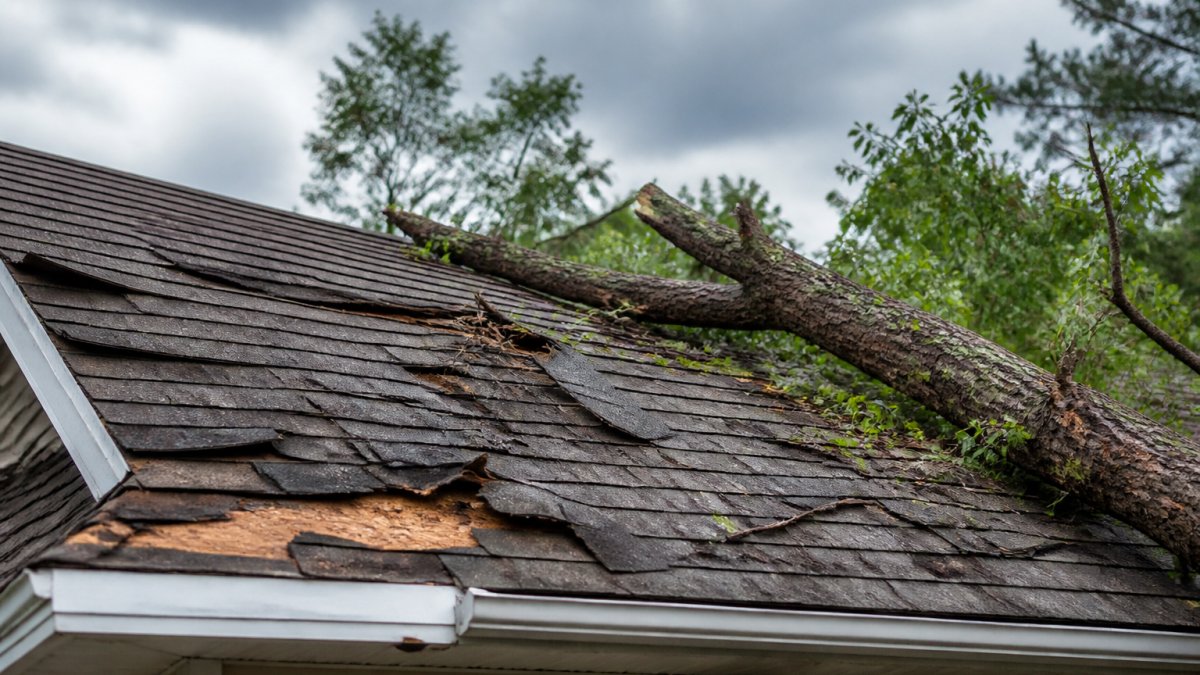
- Impact damage from storms or falling branches
- Cheap, thin-gauge uPVC
The difference isn't usually the material, it's how it was fitted and maintained afterwards.
Fascia and Soffit Replacement Cost: What to Budget
Replacement costs depend on property size, material choice, and labour accessibility. Pricing varies significantly based on your specific situation, so requesting a professional quote is essential for accurate budgeting.
Several factors influence the final cost: your property's perimeter (larger homes need more material), whether scaffolding is required (affecting labour time), existing damage to underlying rafter ends (which may need repair before new fascias install), and material selection.
For a realistic estimate tailored to your home, contact Cedar Roofing & Renovations for a free quote. We'll assess your property, discuss material options, and provide transparent pricing without hidden costs.
Durability and Maintenance: Long-Term Performance of Roofline Materials
Material durability is only half the story. How you maintain it determines whether you get 15 years or 35 years from your investment.
uPVC maintenance: Rinse annually with water and mild detergent. Check gutters after storms. Inspect joints for gaps (minor separation is normal; significant gaps warrant professional inspection). Replace damaged sections promptly to prevent water ingress. Cost: minimal.
Timber maintenance: Paint or stain every 3-5 years. Inspect for rot after heavy rain or storms. Treat woodworm if detected. Replace damaged sections before rot spreads. Cost: significant labour expense every few years.
Aluminium maintenance: Occasional repainting if colour fade bothers you. No structural maintenance required. Inspect for corrosion in coastal areas. Cost: moderate, only if repainting.
Composite maintenance: Occasional cleaning. Monitor for surface cracks or staining. No repainting required. Cost: minimal, but replacement sections are expensive if damage occurs.
The maintenance burden is where material choice truly impacts your life. Timber demands attention. uPVC demands none. Aluminium and composite sit in the middle, leaning toward uPVC's convenience.
Making Your Choice: Selecting the Right Roofline Materials
Start by answering these questions honestly:
Question 1: How long will you stay in this property? If fewer than 10 years, uPVC's low upfront cost makes sense. If 20+ years and you value aesthetics, timber or aluminium justify the investment.
Question 2: Are you willing to maintain fascias actively? Timber requires commitment. If the answer is no, eliminate timber immediately.
Question 3: Does your property have planning or conservation restrictions? Conservation areas often mandate timber or natural materials. Check with your local planning authority before deciding.
Question 4: What's your climate exposure? Coastal properties face salt spray, which accelerates uPVC and aluminium degradation. Timber rots faster near the sea. Composite performs adequately in coastal conditions.
Question 5: What's your budget? uPVC is cheapest upfront. Timber is cheapest if you do maintenance yourself (unlikely). Aluminium and composite command premiums.
Most homeowners in Norfolk and Suffolk choose uPVC because it solves the real problem: keeping water out of the house without constant attention. It's not romantic, but it's reliable. If your property's character demands timber, commit to the maintenance cycle. If budget is tight, uPVC is the pragmatic choice.
We'll recommend what suits your home, your situation, and your realistic maintenance tolerance, not what sounds best in theory. Get a free quote to discuss your specific property and receive a tailored recommendation.
Choosing roofline materials is a decision that echoes through decades of property ownership. The wrong choice creates ongoing frustration or unexpected costs. The right choice protects your home, maintains its value, and requires only the maintenance you're genuinely willing to commit to. Cedar Roofing & Renovations assesses Norfolk and Suffolk properties, identifying what works for each home's unique situation, and delivering professional installations that last. Contact us for a free quote and transparent advice on the best roofline materials for your property.
Frequently Asked Questions
What is the best material for fascias and soffits?
The best material depends on your priorities. uPVC offers low maintenance and durability, making it popular for busy homeowners. Timber provides a traditional aesthetic but requires regular maintenance. Aluminium balances durability with a sleek appearance, whilst composite materials combine the look of timber with reduced upkeep. Consider your home's style, maintenance willingness, and budget when deciding.
How long do uPVC fascias last?
uPVC fascias typically last 20-30 years with proper installation and minimal maintenance. Lifespan varies based on climate exposure, installation quality, and whether gutters are kept clean. Regular gutter clearing prevents water pooling, which can extend the life of your roofline materials significantly. Discolouration may occur over time but doesn't affect structural performance.
Is uPVC or timber better for roofline products?
uPVC requires less maintenance and resists rot and insects, making it ideal for properties where upkeep is challenging. Timber offers superior aesthetics and a natural appearance but demands regular painting, treating, and inspection for decay. Timber suits period properties and traditional homes, whilst uPVC works well for modern properties and those seeking convenience. Your choice depends on your property's character and your maintenance capacity.
What should I budget for fascia and soffit replacement?
Costs vary significantly based on material choice, property size, and installation complexity. uPVC generally offers competitive pricing, whilst timber and aluminium may cost more. Composite materials fall between standard uPVC and premium options. For an accurate figure, obtain quotes from specialists who can assess your specific requirements, property dimensions, and any additional work needed like gutter replacement or structural repairs.